The history of the New Millennium Reformed Center emerged from the dream of a church and the perseverance of a community. Its construction was accompanied by the work, gifts and prayers of the congregation's members, and by a solidarity that reached across confessional and linguistic boundaries.
From the dream to the founding of the congregation
The congregation's historical reflection connects the idea of a new church to the last months of 1989. The solidarity movement around Tőkés László was joined not only by Reformed believers and Hungarians, but also by the city's Romanian residents and members of other denominations. After the fall of the dictatorship, the desire was voiced again: let a church with towers be built that would stand as a memorial to what had happened and serve the future.
In 1996, the city leadership donated a plot to the church. Makovecz Imre drew up the visual plans for the symmetrical building complex. In the spring of 1999, under the leadership of pastor Gazda István, the New Millennium Congregation was formed, whose presbytery undertook to begin the construction.
Solidarity for the construction
The congregation's members supported the common cause with labour, gifts and prayer. Believers from other denominations also joined in, and the construction was supported by bishop Tőkés László. To raise resources, art auctions were held: Hungarian and Romanian artists offered their works, and the proceeds were directed toward the construction.
The professional support and work of Dr. Földváry Attila represented important help from the very beginning. The first ground-breaking took place on 3 November 1999. According to the historical account, with the support of the first Orbán government, significant parts of the foundations of the building bodies were completed, and one of the accommodation buildings was put under roof in a half-finished state.
A centre built step by step
In the first completed wing of the centre, services were held from 2009. With the help of a Hungarian–Romanian cross-border European Union grant won in 2013, another building wing was completed; it was inaugurated on 28 June 2014.
From the summer of 2017, a Romanian–Serbian cross-border, church-music-themed EU grant won with the help of the Szórvány Foundation gave new momentum to the construction. Within this framework, the chamber-music building was erected and inaugurated on 26 May 2019.
The support provided by the Hungarian government in December 2017 and the spring of 2018 also helped the further development of the centre. The historical account highlights the creation of the Hungarian Club, the completion and furnishing of the guest rooms, and above all the building of the church. Alongside the five existing guest rooms, a further eight were set up during this period.
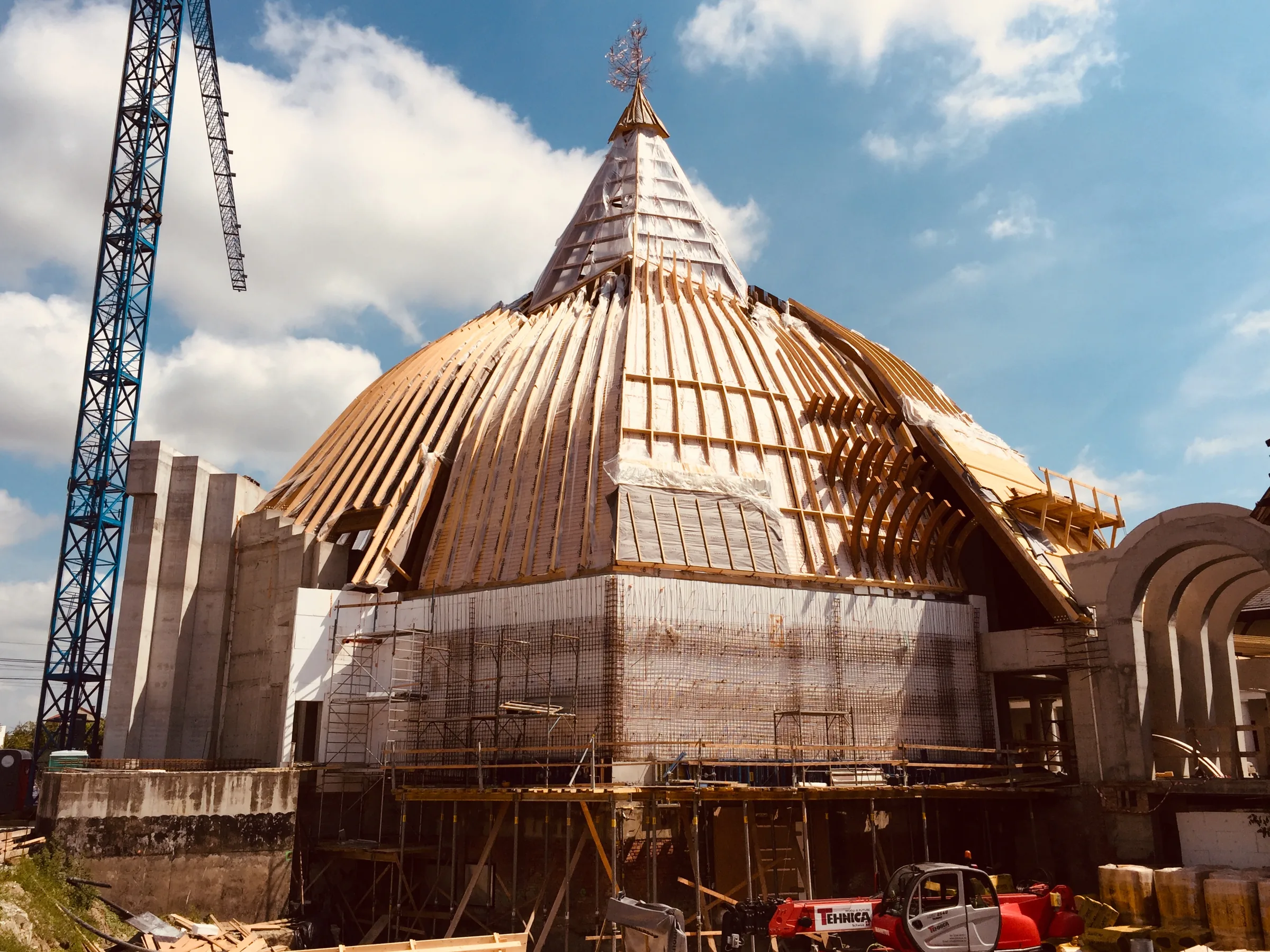
The consecration of the church
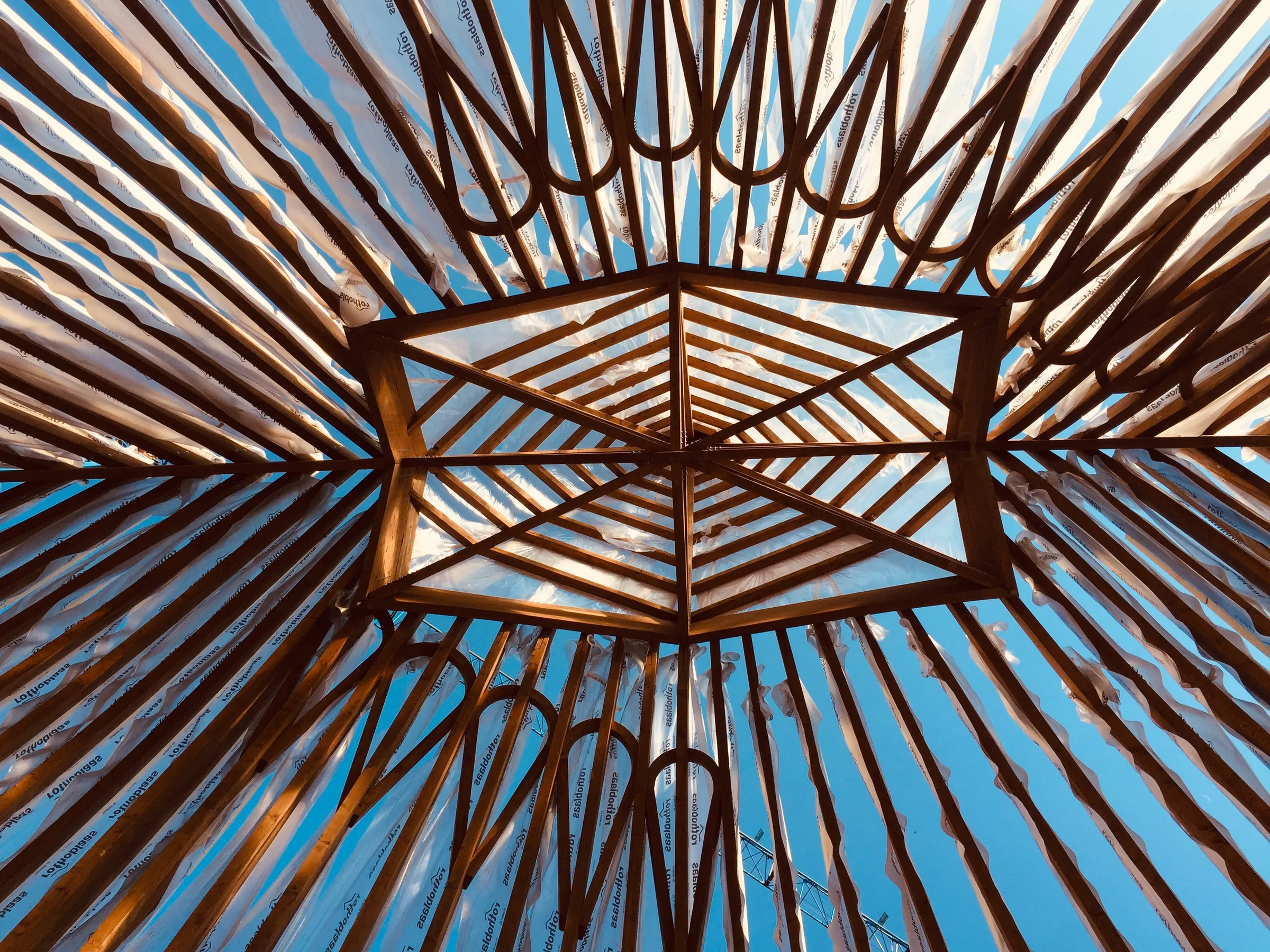
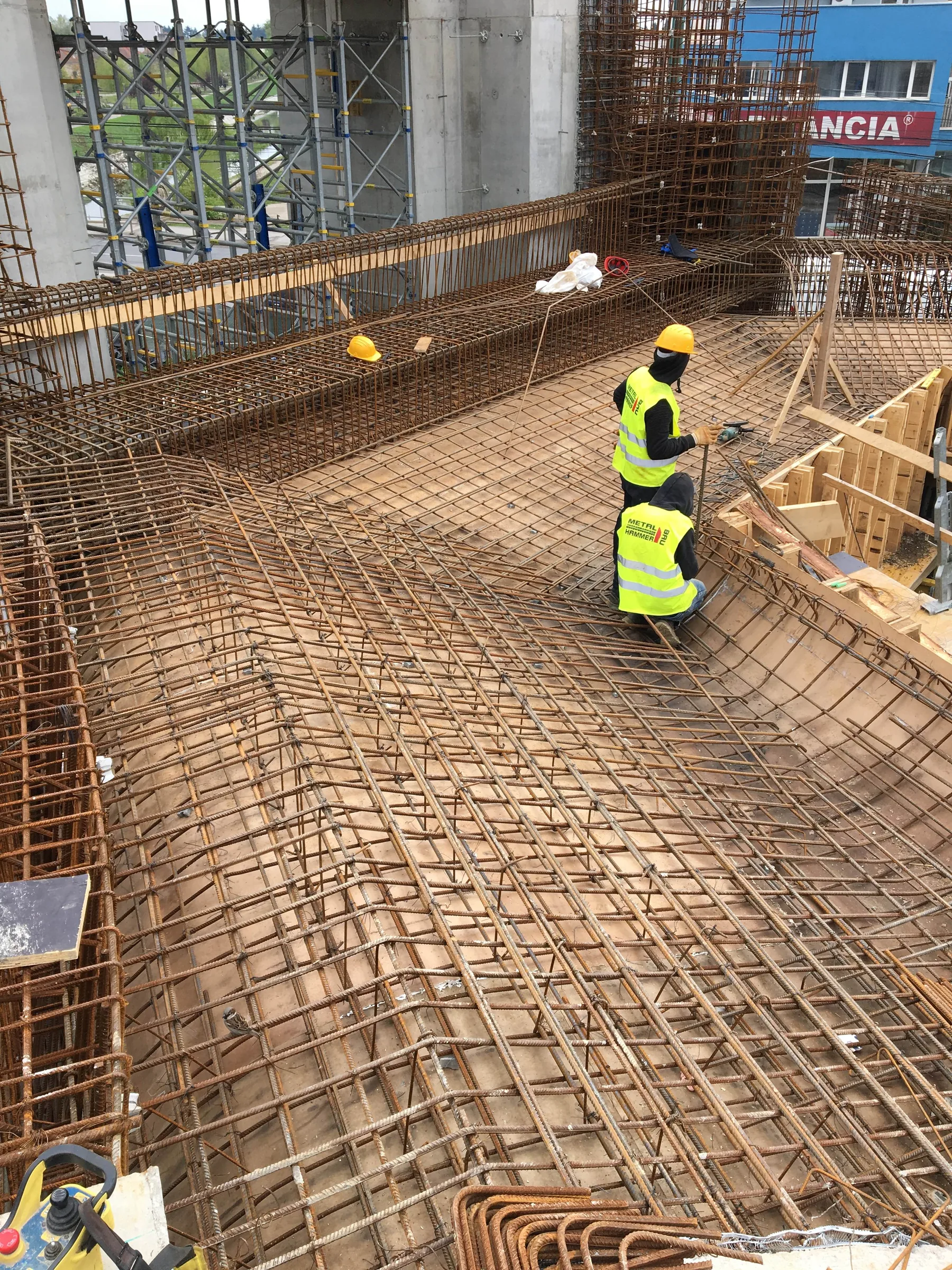
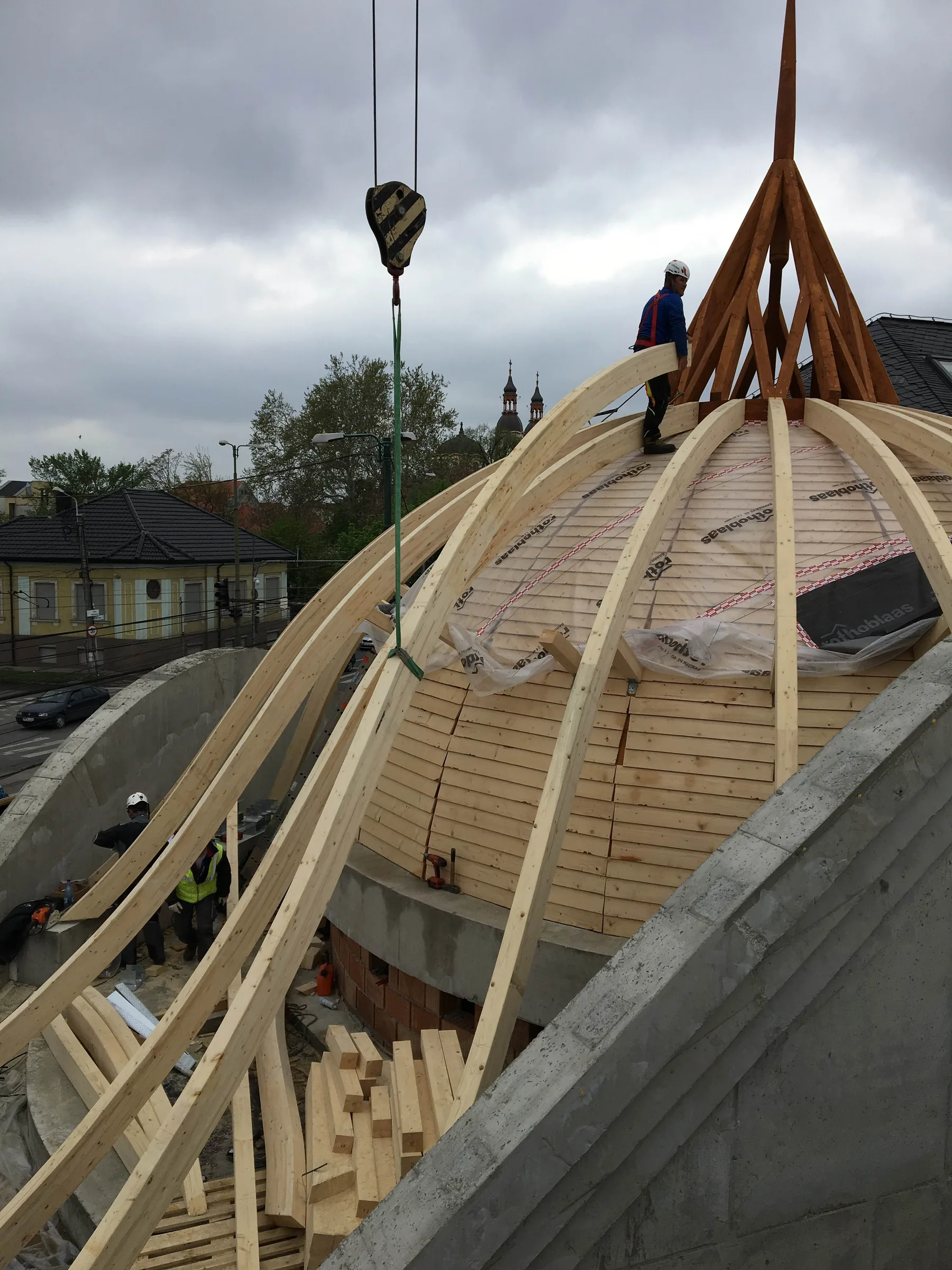
The main building of the centre, the church with its two towers each 40 metres high, was consecrated on 15 December 2019. Behind the long construction lay the many years of work of the congregation, the supporters and the helpers.
Not only a building, but a community
An important thought of the historical reflection is that a congregation cannot be kept alive by a building of special purpose alone. The centre's goal is to give space not only to the life of faith, but also to encounters and to culture.
In the Reformed tradition, faith and culture belong together. The New Millennium community wishes to join this ministry in Timișoara and among the Hungarians of the Banat: through music, visual art, club activities and children's programmes, as a complement to building up the congregation.
Forrás: Based on the historical reflection of pastor Gazda István.